First-Time Ferry Guide: What to Expect on a UK Domestic Crossing
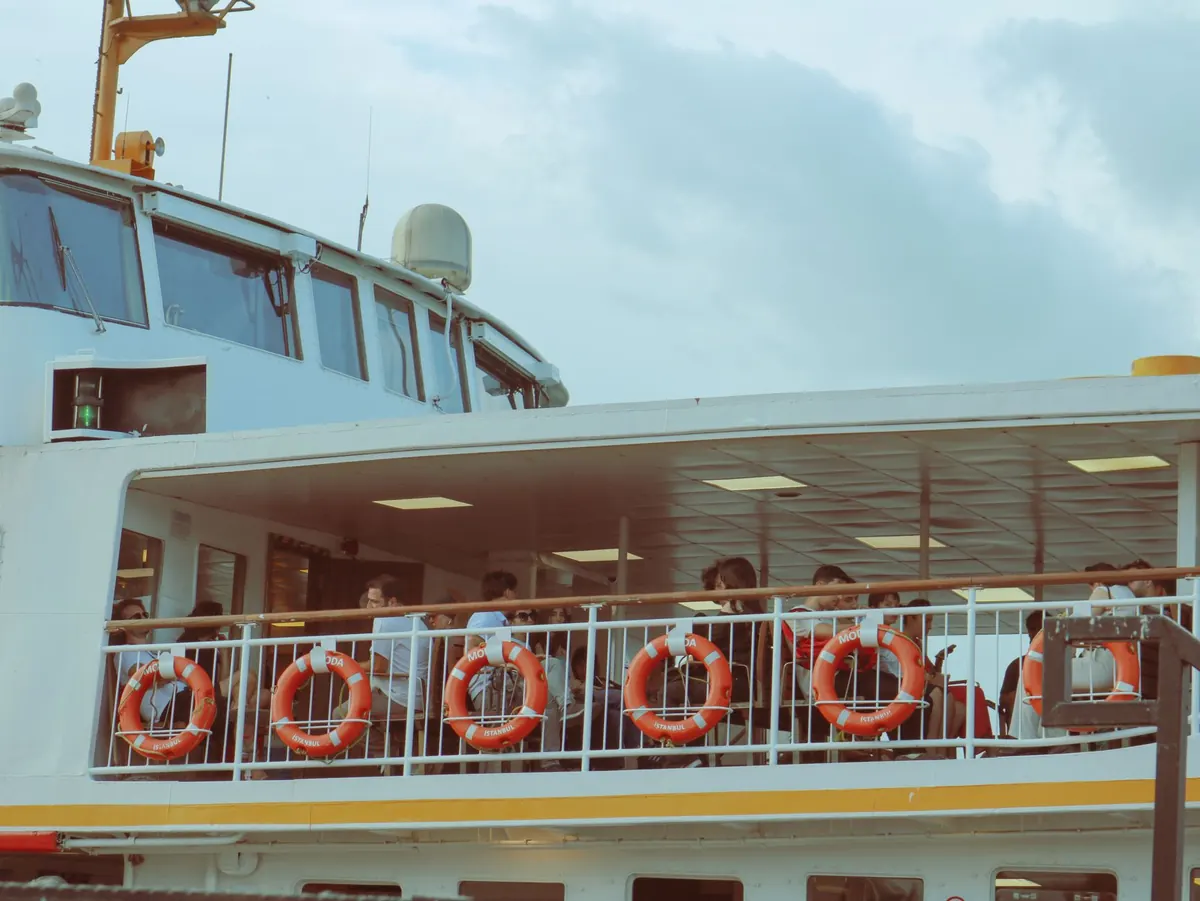
Some UK ferry crossings last barely twenty minutes. Others give you time for a cooked breakfast, a chapter of a book and a nap in a reclining seat. What they all share is a routine that catches out first-timers: arrive, check in, board, settle, disembark. Nothing about it is difficult, but the timing matters, and the small details — where you leave the car, when you're allowed back to it, whether you need to print anything — are where people come unstuck.
What follows is a walk-through of a typical domestic sailing, using routes such as Lymington to Yarmouth, Cairnryan to Larne or Liverpool to Belfast as examples. Operators and ports differ, so the times and rules on your own booking confirmation always take priority over anything general.
Before you leave the house
Decide early whether you're travelling as a foot passenger or taking a vehicle. On short Solent hops, foot passengers can often turn up and buy a ticket at the terminal. Cars are different: spaces are limited, and sailings in school holidays, around bank holidays and on summer weekends regularly fill up days or weeks ahead. If your plans are fixed, book rather than gamble.
Then check two things. First, your check-in deadline. As a rule of thumb, cars are asked to check in 30 to 45 minutes before departure and foot passengers 15 to 30 minutes, but some routes are stricter and some are more relaxed. Second, what identification is required. Many domestic crossings need nothing more than a booking reference, but certain routes, concession fares and foot passenger tickets do ask for photo ID. Read what your operator says rather than assuming.
Finally, think about how you'll reach the port. Some terminals sit a short walk from a town centre or railway station; others are a drive from anywhere useful, with no pavement in sight.
Checking in at the port
Signage usually separates vehicles from foot passengers well before the terminal building, so follow the lane that matches your ticket. Foot passengers head inside, where you'll find a desk or self-service machine, a waiting area and toilets. You'll be given a boarding pass or simply called forward when it's time to walk on.
Drivers stay in the queue and stop at a booth or window, give a name and booking reference, and receive a hanger or card showing which lane to join. On most domestic routes everyone stays in the car at this point, though a few ports ask passengers to wait in the terminal instead. Don't be alarmed if a member of staff asks to look in the boot; random vehicle checks do happen, and a tidy boot makes that a ten-second job rather than a repacking session.
The one thing worth repeating: the check-in time is not the departure time. Miss the deadline and you'll be moved to a later sailing if there's space, which on a busy day could mean a long wait.
Boarding: what actually happens
Foot passengers generally board first, either through a covered walkway, up a gangway or, at larger ports, by shuttle bus to the ship. You carry your own bags, so pack as though you'll be doing a short flight rather than checking luggage.
Vehicle loading is brisk and highly directed. Marshals wave you up the ramp one at a time, then point you into a lane. Park where you're told, apply the handbrake, switch off the lights, lock up and take your keys. Keep valuables with you rather than on display, and remember that car decks are not somewhere to linger. On some routes, particularly longer ones, everyone must leave the vehicle for the crossing and go up to the passenger decks; staff will make this clear.
On board
What's available depends heavily on crossing length. A twenty-minute hop might offer little more than a covered seating area and a toilet. A two- or three-hour sailing is more like a small floating café with somewhere to sit properly.
- Catering: hot drinks, sandwiches and snacks on most routes; hot meals and a licensed bar on longer ones
- Seating: a mix of airline-style seats, sofas and tables, with window spots claimed first
- Outdoor decks: worth a look for the views, but hold on to hats, phones and loose tickets
- Wi-Fi and mobile signal: patchy at best, often lost entirely mid-crossing, so download anything you need beforehand
- Pets: kennels, designated pet areas or car-only policies, depending on the route — check before you book
- Accessibility: lifts and accessible toilets on larger ships; ask staff in advance if you need help boarding
If you're prone to seasickness, take medication before you sail rather than once you feel unwell, and ask a pharmacist which option suits you — especially if you're pregnant, breastfeeding or taking other medicines. Sitting low and towards the middle of the ship, getting fresh air and avoiding a heavy meal or alcohol all help.
Disembarking at the other end
An announcement will tell drivers when to return to the car deck. Until then, stay in the lounge rather than hovering by the stairs, which only creates a crush. Foot passengers are sometimes waved off first and sometimes held back until vehicles have gone; follow the crew and the signage rather than the person edging towards the door.
Driving off is straightforward but slow. Ramps are steep, the car in front may stop unexpectedly, and there's usually a queue at the exit. Once you're through, expect unfamiliar roads and follow signs for the main route out rather than trusting your instincts. If you're continuing by bus or train, check the connection in advance — some terminals have a station on the doorstep, others need a taxi.
Common first-timer mistakes
- Arriving at the departure time instead of the check-in time.
- Keeping the booking reference in an email you can't open without signal.
- Packing everything in the boot when you'll want a bag with you on deck.
- Assuming a short crossing will have a proper meal service.
- Leaving seasickness tablets until the swell has already started.
Making the day run smoothly
Get to the port with time in hand, keep your booking reference and any ID somewhere you can reach without unpacking, and travel with a small bag holding layers, snacks, chargers and medication. Foot passengers should wear something they can walk up a ramp in; drivers should know where the handbrake is without thinking about it.
Do that, and the first crossing is the only one you'll overthink. The second you'll book in two minutes flat.
Photo: Lahzeha🌿 / Pexels