Ferry or Flight to the Isle of Man? Pros, Cons and Journey Times

Getting to the Isle of Man looks simple until you start comparing options. The Island sits in the Irish Sea within easy reach of England, Scotland, Ireland and Wales, and you can arrive either by sea — from Liverpool, Heysham, Belfast or Dublin — or by air into Ronaldsway, near Castletown. Neither option wins outright. The right answer depends on where you're starting, what you're bringing and how much your time is worth. Here's how the two compare in practice.
The short answer
Take the ferry if you're bringing a car, a van, a motorbike, a bicycle or a dog. Take it too if you live close to a port, if you're carrying more than a cabin bag, or if you'd rather skip airport security altogether. Fly if time matters most, you're travelling light, and you can reach an airport with a direct service to Ronaldsway without a long journey first.
For foot passengers heading to Douglas from north-west England, the two are closer than most people expect. For anyone starting from London or the south coast, the flight usually wins comfortably.
Journey times: the door-to-door reality
Comparing a 40-minute flight with a three-hour crossing is misleading, because neither number describes the whole trip.
By ferry
Crossing times vary by vessel, route and season, so treat these as a rough guide and check the timetable before planning anything tight:
- Liverpool to Douglas — around 2 hours 45 minutes to 3 hours
- Heysham to Douglas — around 3 hours 30 minutes to 4 hours
- Belfast to Douglas — around 2 hours 45 minutes to 3 hours, seasonal
- Dublin to Douglas — around 2 hours 55 minutes to 3 hours, seasonal
Add the time to reach the terminal, around 45 minutes' check-in for foot passengers and more if you're bringing a vehicle, plus 20 to 30 minutes from Douglas harbour into the town centre. From central Liverpool, a sensible door-to-door figure is four to five hours.
By air
Ronaldsway sits in the south of the Island, roughly 20 minutes from Douglas by road and close to Castletown. Flights from Liverpool, Manchester, Belfast and Dublin typically take between 35 and 60 minutes; services from London and the south of England take considerably longer.
Then add the airport layer: getting there, arriving for the airline's recommended check-in time, security, boarding, and baggage reclaim at the other end. From a city 30 minutes from the airport, three to four hours door to door is realistic. From a city two hours away, the ferry's advantage can disappear — or swing the other way if your nearest port is Heysham and your nearest airport is Manchester.
What really drives the cost
Ferry fares are rarely a simple per-person price. On most sailings you pay for the vehicle, plus a fare for each passenger, and the total moves sharply with season, day of the week and how far ahead you book.
Flights work the other way: the headline fare is per person, but extras mount up quickly — checked bags, seat selection, and the cost of reaching an airport that may be far from home. A cheap-looking fare from a distant airport can easily be beaten by a foot-passenger ferry ticket from a port down the road.
Two things to remember when comparing. The Island has a busy events calendar, and TT fortnight in late May and early June fills sailings and flights months in advance. And compare like with like: if you'd need to hire a car on arrival, add that to the flight's cost. If the ferry saves you the hire car entirely, it is often the better value.
Comfort, luggage and the journey itself
On the ferry
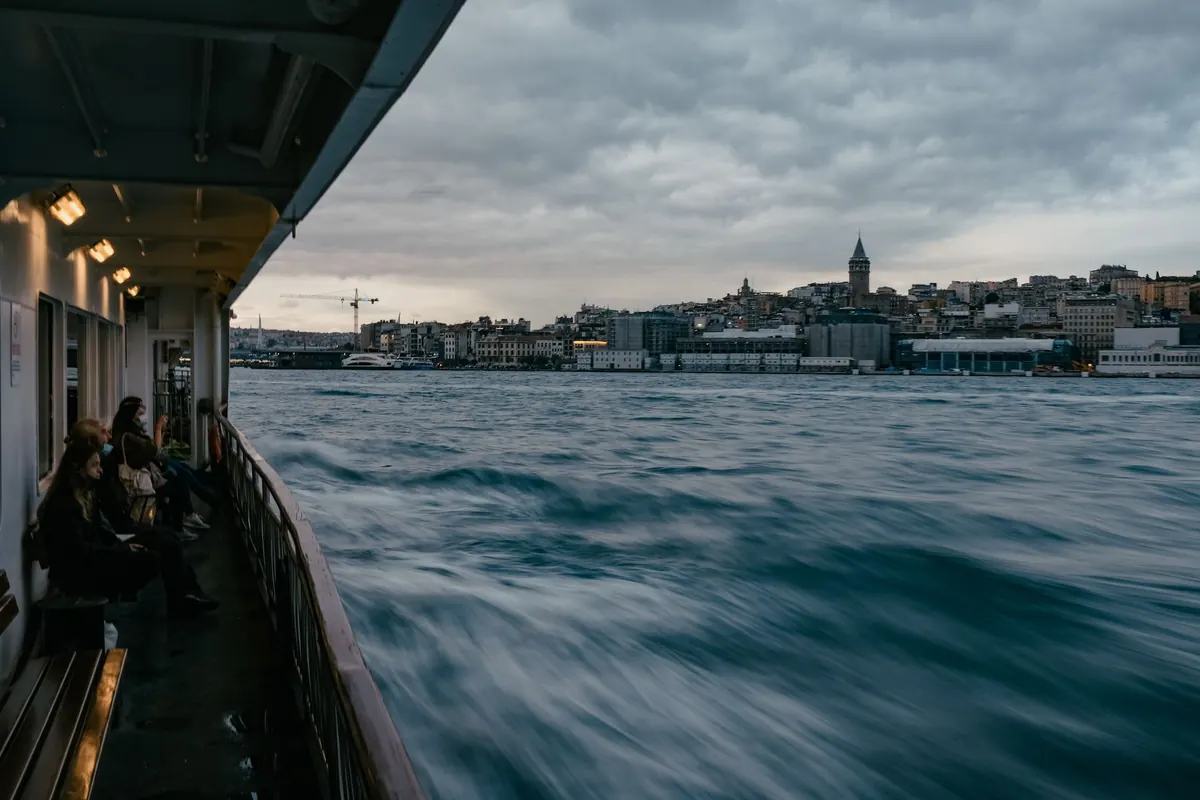
You can walk around, eat a proper meal, read, take a cabin on longer or overnight sailings, and keep your luggage with you. Foot passengers usually board and disembark quickly. The trade-off is the sea state: the Irish Sea can be lively, particularly in autumn and winter, and if you're prone to seasickness the longer crossings deserve some thought.
On the flight
It's over quickly, and cabin bag rules keep a short trip simple. The trade-off is the airport routine, which is less enjoyable with children, a laptop bag and a tight turnaround, and the fact that fog and strong winds at Ronaldsway can disrupt a short hop in a way that rarely troubles a longer, better-equipped route.
Weather, delays and the Irish Sea
Both routes are exposed to Manx weather, in different ways. High winds and heavy swell can delay or cancel sailings, most often between October and March. Fog, low cloud and crosswinds can delay flights into Ronaldsway, and diversions are possible when conditions close in.
The practical advice is the same for both: if you have a fixed appointment, a wedding or a race to catch, travel the day before and build in a buffer. If a sailing is cancelled and you're travelling with a vehicle, you'll normally be moved to the next available crossing, which may be the following day.
Cars, bikes, dogs and awkward luggage
This is where the ferry usually settles the argument. Cars, vans, caravans, motorbikes, bicycles and trailers all travel by sea, and dogs are generally welcome too, subject to the operator's rules on kennels or onboard areas. Check the current policy directly, because it does change.
Flying with a dog is far more restricted, and on some routes not possible at all; where it is allowed, you'll need to book well ahead and follow the airline's rules closely. Bicycles can fly, but need packing and a booked allowance. On the ferry you can usually wheel them on.
Booking tips that save trouble
Book early for anything between May and September,
Photo: FrankyFromGermany / Pixabay