How to Book a Ferry to the Isle of Wight for Foot Passengers: A Step-by-Step Guide

Foot passengers get the best of the Isle of Wight crossing. You skip the car queues, you can often walk from a train platform almost straight onto the boat, and on the fastest services you will be in Ryde while most drivers are still waiting to load. The only complication is choice: three operators, several routes and terminals that suit very different journeys. Here is how to pick one, book it and turn up prepared.
The routes foot passengers can use
Every crossing to the Island takes foot passengers, but only some are designed around them.
- Wightlink, Portsmouth Harbour to Ryde Pier Head. A passenger-only catamaran and the quickest crossing from London by train, because Portsmouth Harbour station is a short, signposted walk from the terminal.
- Hovertravel, Southsea to Ryde Hoverport. The hovercraft, and the fastest crossing of the lot. The Southsea terminal is on the seafront, a bus or taxi ride from Portsmouth & Southsea station.
- Red Funnel, Southampton to West Cowes (Red Jet). A fast passenger catamaran from Town Quay, handy if you are arriving by coach or train into Southampton.
- Wightlink, Portsmouth to Fishbourne. A car ferry that welcomes foot passengers, with buses from the terminal towards Ryde and Newport.
- Wightlink, Lymington to Yarmouth. A car ferry from the edge of the New Forest, useful if you are coming from Bournemouth or Salisbury. Lymington Pier station is beside the terminal.
- Red Funnel, Southampton to East Cowes. A car ferry taking foot passengers, roughly an hour across, with the chain ferry linking East Cowes to Cowes.
Compare the whole journey, not just the crossing
A ten-minute hovercraft can still mean a two-hour trip if you have to cross Portsmouth to reach it. Start from your front door and work forwards: which mainland station or coach stop can you realistically reach, and how far is the walk from there to the terminal?
As a rule, the passenger-only services are quicker and more frequent, while the car ferries are slower but give you more space and more choice of sailing times. If you are staying near Yarmouth or Freshwater, the Lymington route saves a long Island bus ride. If your hotel is in Shanklin or Sandown, arriving at Ryde Pier Head and stepping onto an Island Line train is hard to beat.
How to book, step by step
- Check the operators' own websites first. Wightlink, Red Funnel and Hovertravel all sell directly, and their sites show live timetables and any planned engineering works.
- Decide whether you need a day return or an open return. Foot passenger returns are often flexible, which suits a trip where you are not sure which sailing you will want.
- Book ahead for busy periods. Summer weekends, bank holidays, festival weekends and the school holidays can sell out on the fast services. Midweek and off-season, you can often turn up and buy on the day.
- Choose your sailing and enter passenger details. Many foot passenger tickets are unnamed, but some cheaper advance fares tie the booking to the lead passenger, so use the name on your ID.
- Pay and save your confirmation. Take a screenshot of the QR code or booking reference as well as keeping the email, because signal at the terminal and on the pier can be patchy.
- Add anything unusual now. A bicycle, a dog, a large group or a wheelchair user needing boarding assistance should be flagged at the time of booking, not at the gate.
Tickets, names and the small print
Domestic ferry travel is refreshingly unstuffy, but a few details catch people out. Foot passengers carry their own luggage, and there is rarely a formal bag check, so pack as you would for a train. Bicycles are usually welcome on the car ferries and on many fast services, but numbers are limited and booking is sensible. Most operators take dogs, sometimes for a small charge, and may ask for a lead or muzzle. Accessibility varies by vessel: lifts and ramps exist on the larger ferries, but it is worth asking about step-free boarding when you book. Fares shift with season and demand, so check the operator's own site for the current price rather than relying on an old figure.
On the day: terminals and boarding
Fast passenger ferries and the hovercraft
Arrive around twenty minutes before departure, and nearer thirty on a busy morning. There is no car check-in to negotiate, but there is a gate to pass through, and queues build quickly when a train load of passengers arrives at once. Have your ticket ready, listen for the boarding call and keep your bags with you.
Car ferries, as a foot passenger
Foot passengers usually board through a separate walkway, sometimes before the vehicles and sometimes after. Aim to be at the terminal half an hour before sailing. If you are meeting someone driving over, agree in advance whether you will meet on the quay or on board, because once the vehicles start moving it is hard to change plans.
Arriving on the Island
Ryde Pier Head is a long pier, so allow ten minutes to walk ashore to Ryde Esplanade, or take the Island Line train that meets the catamaran. Ryde Hoverport is a couple of minutes from the Esplanade and the bus station. From Fishbourne and East Cowes, local buses connect to Ryde, Newport and Cowes. From Yarmouth, buses run towards Newport and the west of the Island. Southern Vectis runs the Island network, and multi-day bus tickets often work out better value than singles if you are exploring.
A last check before you travel
- Confirm your sailing time the day before, especially in winter or around public holidays.
- Check for planned works on the trains and buses at either end.
- Charge your phone and screenshot your ticket.
- Allow extra time if you are connecting from a long-distance train or coach.
- Pack a waterproof layer: the pier walk at Ryde is bracing in a sea breeze.
Book the crossing that fits your whole journey rather than the shortest one on paper, and the Isle of Wight becomes one of the simplest trips in Britain to make without a car.
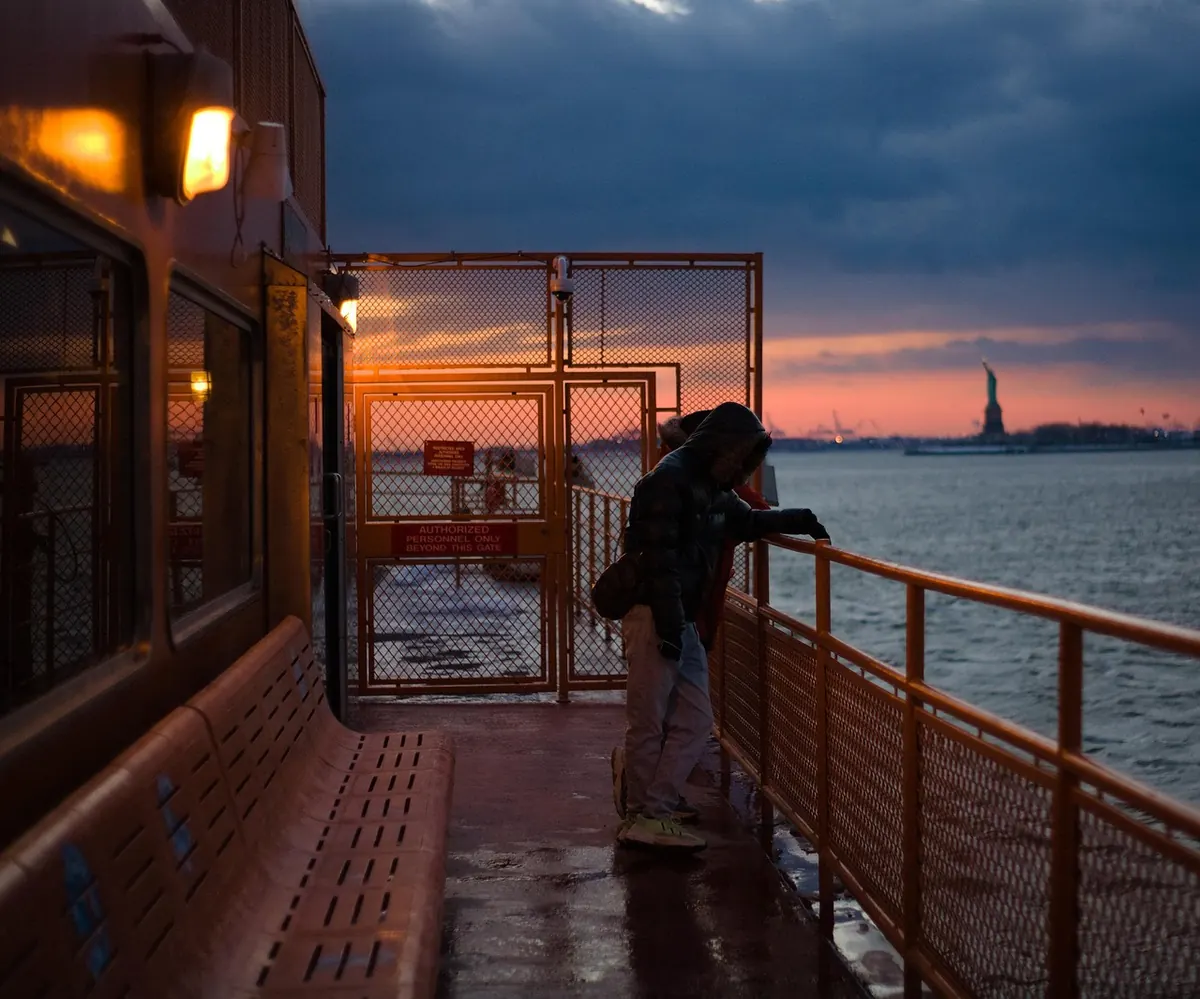
Photo: 12019 / Pixabay